श्री सिताराम मुंजोबा – वाघोड गावचा स्वयंभू अवतार | संपूर्ण दैवी कथा
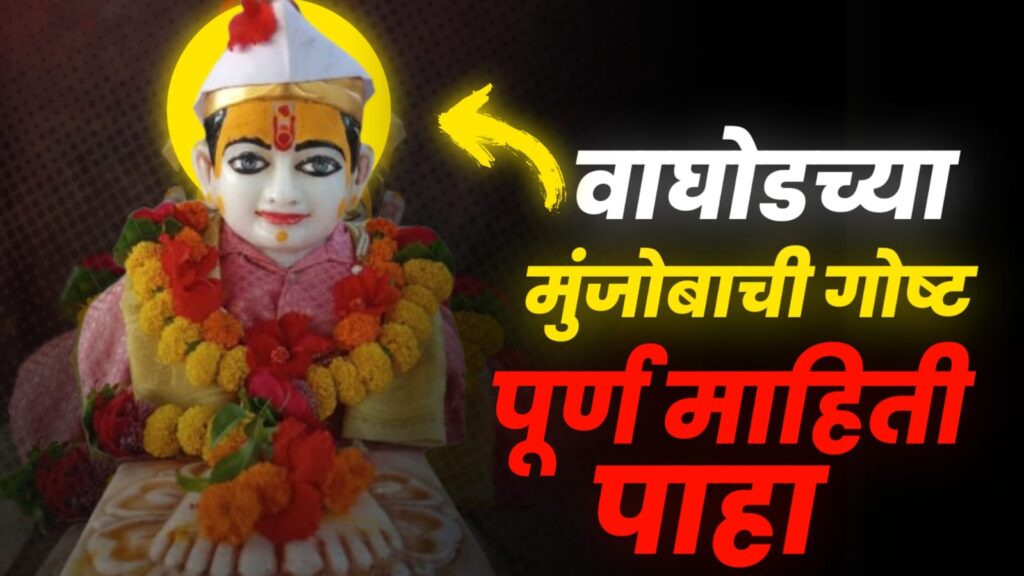
महाराष्ट्राच्या लोकपरंपरेत अशा अनेक दैवी कथा आहेत ज्या केवळ श्रद्धेपुरत्या मर्यादित नसून, त्या अन्यायाविरुद्ध उभ्या राहिलेल्या देवत्वाची साक्ष देतात. अशीच एक अत्यंत भावस्पर्शी, अंगावर शहारे आणणारी आणि आजही हजारो भक्तांची श्रद्धा जपणारी कथा म्हणजे वाघोड गाव येथील श्री सिताराम मुंजोबा यांची कथा.
ही कथा आहे एका निरागस बालकाची—ज्याचा मृत्यू अन्यायाने झाला, पण ज्याने मृत्यूला हरवून देवत्व प्राप्त केलं.
वाघोड गाव : श्रद्धा आणि साधेपणाचं प्रतीक
जळगाव जिल्ह्यातील रावेर तालुक्यात वसलेलं वाघोड गाव त्या काळी अत्यंत साधं, निसर्गरम्य आणि परंपरांना घट्ट धरून असलेलं गाव होतं. शेतकरी जीवन, देवपूजा, व्रत-वैकल्ये आणि ग्रामदेवतेवरील नितांत श्रद्धा—हेच या गावाचं वैशिष्ट्य होतं.
रेवाजी पाटील आणि त्यांचं कुटुंब
त्या काळी वाघोड गावात रेवाजी पाटील नावाचे एक प्रतिष्ठित, धर्मनिष्ठ आणि समाजमान्य व्यक्तिमत्त्व राहत होते. ते आपल्या दोन पत्नींसोबत—गोपीबाई आणि रूखमाबाई—एकत्र कुटुंब म्हणून राहत होते.
गोपीबाई शांत, मृदू स्वभावाची आणि मातृत्वाने ओथंबलेली स्त्री होती. तर रूखमाबाईचा स्वभाव मात्र थोडा कठोर आणि संशयी होता.
बाळ सितारामचा मंगलमयी जन्म
काही काळानंतर गोपीबाईच्या उदरात गर्भ वाढू लागला आणि एके दिवशी त्या घरात एका पुत्ररत्नाचा जन्म झाला.
ज्या क्षणी त्या बाळाने डोळे उघडले, तो क्षण केवळ त्या कुटुंबापुरता मर्यादित राहिला नाही—संपूर्ण वाघोड गावासाठी तो मंगलमयी ठरला.
गावकऱ्यांच्या मते,
“जणू त्या दिवशी संपूर्ण सृष्टीच पावन झाली होती.”
बाळाचं नाव ठेवण्यात आलं—सिताराम.
हळूहळू संपूर्ण गाव त्या बाळाच्या बाललीलांमध्ये रमून गेलं.
निरागसतेमागचं दैवी तेज
बाळ सिताराम अत्यंत निरागस, शांत आणि वेगळ्याच तेजाने उजळलेला होता. त्याचं हास्य, त्याची नजर—या सगळ्यात काहीतरी दैवी आहे, असं अनेकांना वाटायचं.
पण नियतीचा खेळ वेगळाच होता. आनंद फार काळ टिकत नाही, हेच पुन्हा सिद्ध होणार होतं.
मत्सराचा उगम : सावत्र आईचा अंधार
जसं-जसं बाळ सितारामावर प्रेम वाढू लागलं, तसं सावत्र आई रूखमाबाई आणि तिची आई शाहू यांच्या मनात मत्सराचं विष पसरू लागलं.
बाळाचं वाढतं महत्त्व, लोकांचं त्याच्यावरचं प्रेम—हे सगळं त्यांच्या मनाला बोचू लागलं.
आणि याच मत्सरातून जन्माला आला एक भयंकर निर्णय…
अमानुष कृत्य : मानवतेला काळीमा
एके दिवशी गोपीबाई बाळाला घरी ठेवून शेतात गेली होती. हीच संधी साधून त्या दोघींनी पाच वर्षांच्या निरागस बाळाचा दोरीने गळा आवळला.
हा अपराध इतका अमानुष होता की, तो ऐकून आजही मन सुन्न होतं.
नंतर बाळाचं निष्पाप शरीर कपड्यात गुंडाळून, कुणाच्याही नजरेत न येता विहिरीकडे नेण्यात आलं…
आणि आसपास कोणी नाही याची खात्री करून ते शरीर विहिरीत ढकलून दिलं.
सृष्टीसुद्धा रडली…
लोक म्हणतात—
“जेव्हा अन्याय होतो, तेव्हा सृष्टीही अश्रू ढाळते.”
त्या विहिरीतील दगडांनीसुद्धा कदाचित त्या अन्यायावर अश्रू ढाळले असतील.
पण सावत्र आईच्या मनातील माया मात्र पूर्णपणे आटली होती.
आईचा आक्रोश आणि भयावह सत्य
संध्याकाळी गोपीबाई शेतातून घरी परतली. घरात पाऊल टाकताच तिला बाळ दिसलं नाही.
तिने सगळीकडे शोध घेतला… पण बाळ कुठेच नव्हतं.
थोड्याच वेळात भुराबाई नावाच्या स्त्रीने धक्कादायक सत्य सांगितलं—
“तुझ्या सवतीने तुझ्या बाळाला विहिरीत टाकलं आहे…”
त्या मातेचा आक्रोश आसमंत भेदून गेला. संपूर्ण गाव स्तब्ध झालं.
दफन आणि दैवी संकेतांची सुरुवात
बाळाचं शरीर विहिरीतून बाहेर काढण्यात आलं आणि त्या विहिरीजवळच रीतीरिवाजानुसार दफन करण्यात आलं.
सगळ्यांना वाटलं—कथा इथेच संपली.
पण खरी कथा… इथूनच सुरू झाली.
स्वयंभू पिंपळ आणि मुंजोबांचा अवतार
काही काळानंतर त्या दफन केलेल्या जागेवर दोन पिंपळवृक्ष स्वयंभू उगवले.
हेच पुढे श्री सिताराम मुंजोबा म्हणून ओळखले जाऊ लागले.
दार्शनिक दृष्टिकोनातून हे दोन पिंपळ द्वैत आणि अद्वैत, देह आणि आत्मा, अन्याय आणि न्याय यांचं प्रतीक मानले जातात.
दृष्टांत, चमत्कार आणि लोकांची श्रद्धा
मुंजोबांनी स्वप्नांतून दृष्टांत देऊन पिंपळांची सेवा करण्यास सांगितली.
मळ्यातून घागऱ्यांचा आवाज येणे, सावत्र आईची चोरी उघडकीस येणे—असे अनेक चमत्कार घडू लागले.
हळूहळू लोकांची श्रद्धा अधिकाधिक दृढ होत गेली.
खानापूर यात्रेतील दैवी साक्ष
खानापूरच्या नाथाच्या यात्रेत एका स्त्रीच्या अंगात संचार झाला. त्या अवस्थेत मुंजोबांनी स्पष्ट सांगितलं—
“मी वाघोडचा मुंजोबा आहे.”
सर्वांना वर हात करण्यास सांगण्यात आलं आणि अचानक आसमंतातून साखर-फुटाणे पडू लागले.
त्या क्षणी रेवाजी पाटील यांची पूर्ण खात्री पटली आणि त्यांनी मुंजोबांना शरणागती पत्करली.
आजची यात्रा आणि अखंड परंपरा
आजही वाघोड गावी माघ महिन्याच्या दुसऱ्या सोमवारपासून पौर्णिमेपर्यंत भव्य यात्रा भरते.
अशी श्रद्धा आहे की, मुंजोबा स्वतः काशीहून येऊन येथे वावर करतात आणि भक्तांना मार्गदर्शन करतात.
भक्तांचे अनुभव : आजही जिवंत श्रद्धा
आजही मुंजोबांच्या दरबारातून कोणीही रिकाम्या हाती जात नाही, अशी भक्तांची भावना आहे:
- अपत्यहीनांना अपत्यप्राप्ती
- भूतबाधेतून मुक्ती
- गंभीर आजारातून बरे होणे
- संकटात योग्य मार्गदर्शन
निष्कर्ष : अन्यायातून जन्मलेलं देवत्व
श्री सिताराम मुंजोबा ही कथा केवळ भक्तीची नाही, तर अन्यायाविरुद्ध उभ्या राहिलेल्या दैवी न्यायाची आहे.
म्हणूनच आजही हजारो भक्त श्रद्धेने त्यांच्या चरणी नतमस्तक होतात.
🙏 जय श्री सिताराम मुंजोबा 🙏
Shri Sitaram Munjoba – The Self-Manifested Divine Avatar of Waghod Village
India’s spiritual landscape is filled with stories where faith rises from suffering and divinity emerges from injustice. One such deeply moving and mysterious legend comes from Waghod village, in Maharashtra—the divine story of Shri Sitaram Munjoba, a self-manifested deity revered by thousands of devotees even today. This is not just a devotional tale, but a story of innocence, cruelty, divine justice, and unwavering faith.
Waghod Village: A Land of Faith and Simplicity
Waghod is a small village located in Raver taluka of Jalgaon district, Maharashtra. In earlier times, the village was known for its simple rural life, strong traditions, and deep devotion to village deities. Farming was the primary livelihood, and faith formed the backbone of social life.
Revaji Patil and His Family
In those days, a respected and influential man named Revaji Patil lived in Waghod. He was known for his integrity and social standing. Revaji Patil lived with his two wives—Gopibai and Rukhmabai—as a joint family. Gopibai was gentle, compassionate, and deeply maternal by nature, while Rukhmabai was known to be stern and inwardly troubled.
The Auspicious Birth of Child Sitaram
After some time, Gopibai conceived and gave birth to a baby boy. The moment the child opened his eyes, it was believed that an auspicious energy spread throughout the household and the village. Villagers later recalled that the day felt unusually sacred, as if nature itself welcomed the child. He was named Sitaram. Soon, the entire village grew fond of little Sitaram. His innocence, calm presence, and gentle smile felt extraordinary, as if something divine quietly resided within him.
The Hidden Divine Light
As Sitaram grew, many sensed an unexplainable spiritual aura around him. Yet no one imagined that this child was destined for divinity. Fate, however, had written a far more painful path. Happiness, as often happens in human life, did not last long.
The Rise of Jealousy
With growing love and attention toward Sitaram, jealousy slowly began to take root in the hearts of Rukhmabai and her mother Shahu. The affection the child received and his importance within the family became unbearable to them. Consumed by envy, their minds darkened, leading them toward an unforgivable decision.
The Inhuman Crime
One tragic day, when Gopibai had gone to work in the fields, the opportunity arose. In a cruel and heartless act, the two women strangled the innocent five-year-old Sitaram with a rope. The brutality of this act shook the very essence of humanity. To hide their crime, they wrapped the lifeless body in cloth and quietly carried it to a nearby well. After ensuring no one was around, they threw the child’s body into the well.
Even Nature Wept
It is said that when grave injustice occurs, even nature mourns. Villagers later believed that the stones inside the well themselves bore witness to the crime, silently absorbing the pain of a sin that words cannot describe. Yet the hearts of the perpetrators showed no remorse.
A Mother’s Cry and the Shocking Truth
By evening, Gopibai returned home and immediately sensed something was wrong. Her child was nowhere to be found. Panic turned into despair as she searched everywhere. Soon, a woman named Bhurabai revealed the horrifying truth—Sitaram had been thrown into the well. Gopibai’s cry pierced the skies. The village stood frozen in shock and grief.
Burial and the First Divine Signs
The child’s body was retrieved from the well and buried near it according to rituals. Most believed that the story had ended there. But in truth, this was only the beginning.
The Self-Manifested Pipal Trees
After some time, something extraordinary happened. At the very spot where Sitaram was buried, two pipal trees grew naturally, without anyone planting them. The villagers soon realized that this was no coincidence. These trees came to be worshipped as Shri Sitaram Munjoba. Spiritually, the two trees are believed to represent duality and non-duality, body and soul, injustice and divine justice.
Divine Visions and Miracles
Devotees began experiencing dreams and divine visions. Munjoba instructed villagers to care for the trees and worship them. Miracles followed. Sounds of anklets were heard from nearby fields, as if a child was playing. Stolen items mysteriously revealed themselves. The truth of the crime surfaced through divine intervention. Faith in Shri Sitaram Munjoba grew stronger with every passing day.
Revelation at the Khanapur Fair
At the Nath fair in Khanapur, a woman suddenly went into a divine trance. In that state, Munjoba declared, “I am Munjoba of Waghod.” Devotees were asked to raise their hands, and suddenly sugar and roasted grains fell from the sky. Witnessing this miracle, Revaji Patil accepted the divine truth and surrendered in devotion.
The Sacred Fair and Living Faith
Even today, a grand fair is held in Waghod village every year from the second Monday of the month of Magh until the full moon. It is believed that Shri Sitaram Munjoba himself visits from Kashi to bless his devotees.
Devotees’ Experiences
Devotees firmly believe that no one leaves Munjoba’s shrine empty-handed. Childless couples are blessed with children. People are freed from negative energies. Serious illnesses are cured. Guidance is received during life’s toughest moments.
Conclusion
The story of Shri Sitaram Munjoba is not merely a legend. It is a powerful reminder that divine justice transcends cruelty. From an innocent child’s sacrifice emerged a living deity who continues to guide, protect, and bless countless devotees.
🙏 Jai Shri Sitaram Munjoba 🙏